
Canada Day
July 1, 2026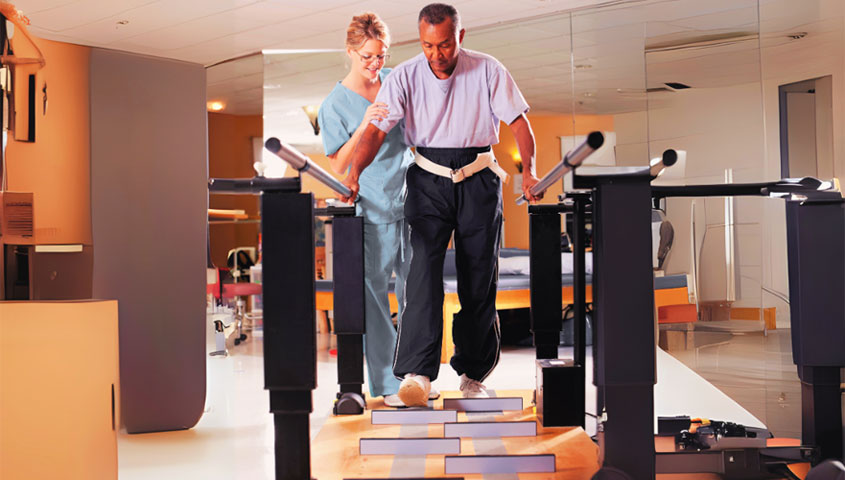
Orthopedic Rehabilitation:
Restoring Function, Not Just Reducing Pain Orthopedic rehabilitation is far more than treating pain after an injury or surgery. Its primary goal is to help patients restore function, mobility, strength, stability, and confidence—ultimately allowing them to return safely to their daily activities, work, and sport. A successful rehabilitation program should be individualized, evidence-based, and progressive.
Depending on the condition, it may include:
• Pain and inflammation management
• Restoration of joint range of motion
• Progressive strengthening and muscular endurance
• Balance, proprioception, and neuromuscular control
• Gait and movement retraining
• Functional and sport-specific exercises
• Education and prevention of recurrent injury One of the most important principles in orthopedic rehabilitation is progressive loading. Muscles, tendons, ligaments, bones, and joints require an appropriate level of mechanical stress to adapt and become stronger. However, rehabilitation is not simply about doing more—it is about applying the right load, at the right time, for the right patient.
Modern orthopedic rehabilitation increasingly emphasizes patient-centered care and measurable outcomes. Range of motion, strength, functional performance, pain levels, and quality of life can all be used to monitor progress and guide clinical decisions. The ultimate outcome is not simply a pain-free joint. The goal is a patient who can move better, function better, and return to life with confidence.